
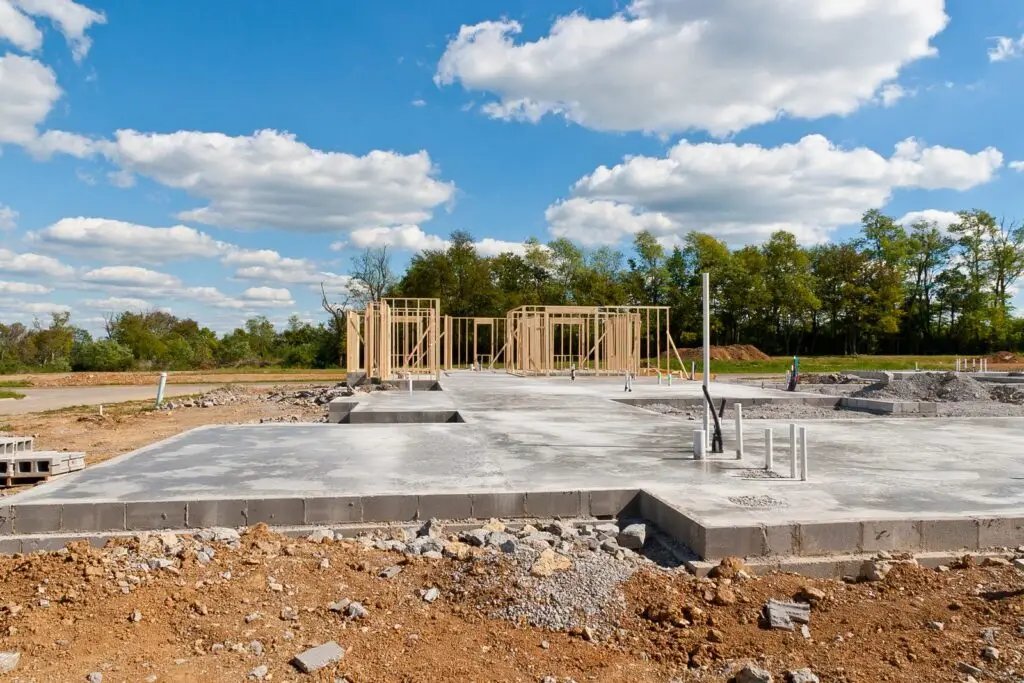
Slab leaks are among the most serious hidden plumbing problems affecting homes in Tomball and throughout southeast Texas. Because water supply lines are buried beneath the concrete foundation, leaks often go unnoticed until they begin causing higher water bills, foundation movement, flooring damage, or other costly issues. Recognizing slab leak warning signs early is one of the most effective ways to limit repair costs and prevent long-term structural damage.
Many local slab leaks are caused by the interaction between expansive Texas clay soil and the plumbing beneath a home’s foundation. As the ground repeatedly dries, shrinks, absorbs moisture, and expands, the resulting movement places continuous stress on underground water lines. Over time, that stress can weaken or damage the pipes, making professional slab leak detection essential for accurately locating the source of the problem before unnecessary excavation or repairs begin.
This guide explains why slab leaks are so common in the Tomball area, the warning signs homeowners should never ignore, and how modern slab leak detection helps a qualified foundation leak plumber identify leaks quickly and accurately. If you suspect a hidden leak beneath your home, First Service Plumbing & Drains provides professional inspection and repair services throughout Tomball and the surrounding communities.
Nearly every home in the Tomball area sits on a concrete slab foundation, with water supply lines running beneath or through it. A slab leak is a leak in one of those buried lines. Hidden under inches of concrete, the escaping water saturates the soil, wicks up into flooring, and quietly undermines the foundation itself.
The waste adds up fast. The EPA’s WaterSense program reports that household leaks waste an average of 9,400 gallons of water per family every year, and a pressurized line running around the clock under a slab can be one of the worst offenders. The higher cost, though, is what sustained moisture does to the clay under your home.
The soil across the Tomball area and Harris County is expansive clay, the sticky “gumbo” that anyone who has dug a fence post here knows well. It swells when wet and shrinks dramatically as it dries. During a stretch of 100-degree August days, the clay can lose enough moisture to pull away from the slab entirely. Then a Gulf storm rolls through, the soil swells back, and the slab flexes again.
Your foundation and your plumbing don’t move as one. Texas clay soil and the pipes running through it shift at different rates, so every cycle grinds pipe against concrete and soil. Copper lines develop pinhole leaks from the constant abrasion. Older cast iron drains crack at the joints. Homes built decades ago, when copper was routinely run straight through the slab, are especially vulnerable. Mineral-heavy water corrodes pipe walls from the inside while the soil erodes them from the outside.
August and September are peak season for this damage. The tug of war between Texas clay soil and the pipes it surrounds is strongest exactly when the ground is driest. Slab leak detection during and after this period is imperative for avoiding expensive, long-term damage.
You can’t see under your slab, but your house will still tell you something is wrong. Watch for these symptoms to keep your slab leak detection up-to-date:
There is also a five-minute check you can do yourself. Turn off everything that uses water, then watch the leak indicator dial on your water meter. If it keeps spinning, water is leaving the system somewhere. The EPA’s Fix a Leak Week resources walk through this meter test step by step.
One symptom alone doesn’t confirm anything, but two or more of these slab leak warning signs together mean it’s time to call a foundation leak plumber.
Modern slab leak detection is precise, and precision is what saves your home from a jackhammer opening three wrong spots in the living room. A skilled foundation leak plumber combines several methods to narrow down possible culprits before anyone touches the concrete. Hydrostatic testing isolates sections of your plumbing and pressurizes them to confirm whether a line is holding or losing water. Video camera inspection sends a small camera through the lines, visualizing cracks, breaks, and root intrusion.
First Service Plumbing & Drains uses hydrostatic testing and video drain camera inspections to locate the true source of the problem. We explain our findings and what your options are before any repair begins. Slab leak detection is usually a matter of hours, not days, and it turns a mystery into a specific, fixable problem.
Once the leak is located, you generally have three paths. A spot repair opens the slab or tunnels beneath it from outside to fix the single failed section, which makes sense for a newer home with a single isolated leak. A reroute abandons the damaged line and runs a new one overhead through walls or the attic, avoiding the concrete and protecting that line from future soil movement. A repipe replaces the affected piping entirely, worth discussing after repeated leaks in aging lines. Fixing one bad spot in a failing system often merely moves the problem down the pipe.
Cost depends on where the leak is located, what flooring must be removed, how accessible the area is, and whether one leak or several are involved. That is why accurate slab leak detection matters: pinpointing the leak first is almost always cheaper than exploratory demolition. Many homeowner policies help with water damage caused by a sudden leak, though typically doesn’t include the pipe repair itself, so document what you find with photos and dates and check your policy language early.
You can’t change the weather, but you can take the extremes out of the shrink and swell cycle. Keep moisture around your foundation consistent through the summer, for example with a soaker hose placed about a foot from the slab and run on a regular schedule during dry stretches. Consistency is the goal, not soaking. Watch your water pressure too, since excessive pressure accelerates wear on lines already stressed by soil movement.
Water quality matters as well. If your fixtures show heavy scale buildup, a water treatment system can slow the internal corrosion hard water causes in aging pipes. Finally, walk your home once a season and run through the slab leak detection methods above. Small habits give Texas clay soil and the pipes under your home a steadier environment, and catch problems while they’re still small.
A pressurized line leaking beneath your foundation should never wait. If several slab leak warning signs show up at once, shut off the water at the main valve and call a plumber promptly. Every day a leak runs, it erodes more soil under the slab.
Call a foundation leak plumber first. If water caused the movement, patching the foundation without fixing the leak leaves the cause running. Once the leak is confirmed and repaired, a foundation assessment can follow if it’s still needed.
For most homes, professional slab leak detection in Tomball takes a few hours. You’ll typically know the same day whether you have a leak, where it is, and what your repair options look like.
First Service Plumbing & Drains is a licensed and insured plumbing company based in Tomball, TX, serving homeowners across Tomball, Magnolia, Spring, Cypress, The Woodlands, and the greater Houston area. We’ve spent more than 20 years working on the pipes that Texas clay soil puts to the test, and we believe you deserve straight answers and clear options, not pressure.
If a warm floor, a rising bill, or the sound of phantom running water has been nagging at you, trust that instinct. Reach out to our team or call (832) 793-0393, and let’s find out what’s really going on under your slab.
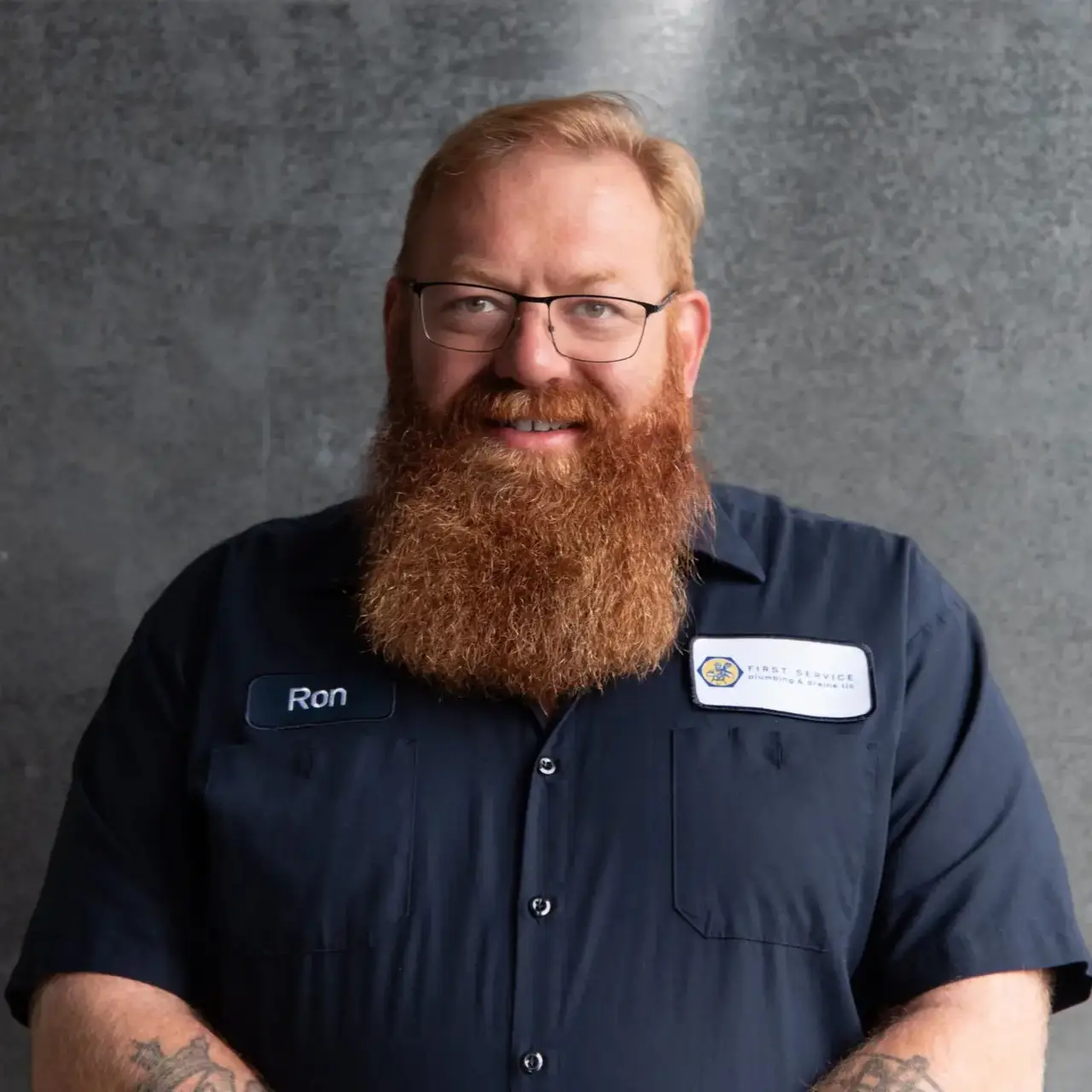
Ron Murley is the owner of First Service Plumbing & Drains, a family-owned plumbing company based in Tomball, Texas. With more than twenty years in the trade, Ron and his licensed, insured team handle the full range of residential plumbing work, including drain cleaning, sewer inspections, water heater installation for both tank and tankless systems, gas line services, pipe and water line repair, fixture installation, and water treatment. The company serves Tomball and the greater Houston area, with customers in Magnolia, Spring, The Woodlands, Cypress, and dozens of surrounding communities. Ron built the business around putting customer service first, and reviewers regularly describe his work as thorough and professional, noting that he takes time to investigate a problem properly before recommending a fix. He believes in personalized attention, clear pricing, and dependable results.