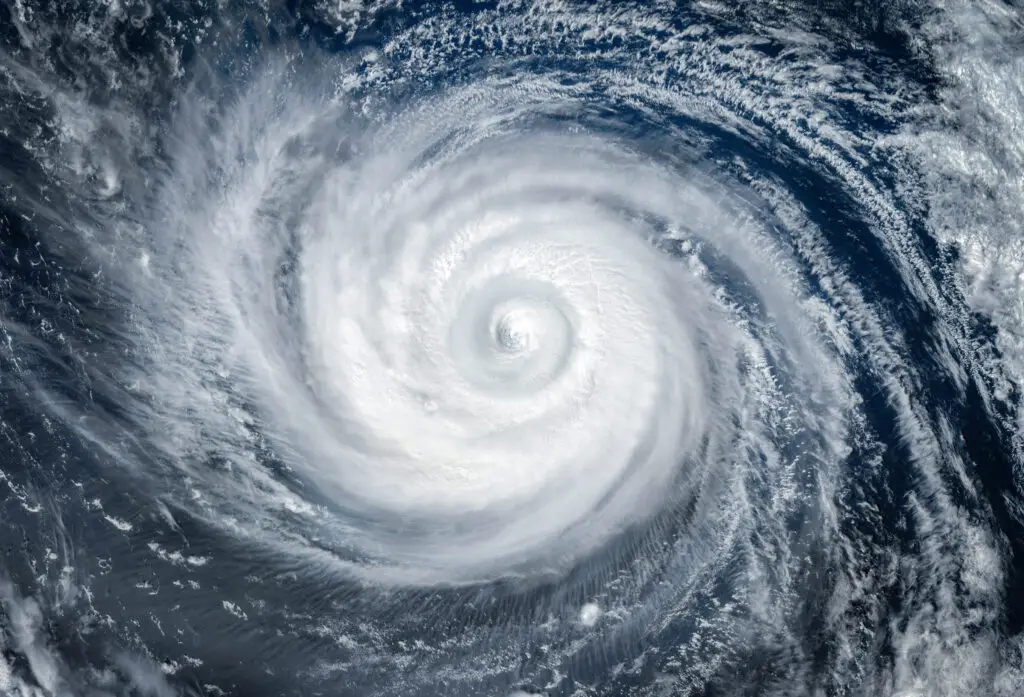
If you lived through Harvey in 2017 or watched Beryl knock out power across the area in 2024, you already know what a Gulf storm can do to a neighborhood. What surprises many homeowners is that some of the worst storm damage doesn’t come through the roof or the windows. It comes up through the drains, in through the slab, or out of a water heater that flooded quietly in the garage. That is why a hurricane plumbing checklist belongs right next to your flashlight and batteries.
The good news is that most of that damage is preventable with an hour or two of preparation. A solid hurricane plumbing checklist comes down to three things: protect your sewer line so stormwater can’t push sewage back into the house, run a sump pump check if your home has one, and know your shutoff valve location before you’re hunting for it in the dark. Handle those three before a storm enters the Gulf and you’ve eliminated the most expensive plumbing risks a hurricane brings.
First Service Plumbing has served Tomball, Cypress, and the greater Houston area for years, and every September we see the same preventable problems in homes that skipped a hurricane plumbing checklist. If you’d rather have a professional walk your home before the season peaks, call us at (832) 793-0393 or schedule a consultation online. A quick inspection now is far cheaper than an emergency call in the middle of a tropical storm.
Our corner of Harris County drains through the Spring Creek and Cypress Creek watersheds, and the land here is flat, low, and built on clay soil that doesn’t absorb water quickly. When a hurricane stalls over the region, the municipal sewer system and the creeks can take on more water than they were designed to move. That’s why the Harris County Flood Control District tracks both of those watersheds so closely, and it’s why a hurricane plumbing checklist matters more here than in most of Texas.
When the ground is saturated and the sewer mains are full, water looks for the lowest opening it can find. In a lot of homes, that opening is a floor drain, a shower, or a toilet on the first floor. Understanding that one fact explains almost everything on the hurricane plumbing checklist below.
Work through these items in early season, ideally June through August, so nothing is left for the frantic 48 hours before landfall. Every item on this hurricane plumbing checklist is either something you can do yourself or a quick visit from a licensed plumber.
A partially clogged sewer line might drain fine on a dry day, then back up the moment stormwater surges into the system. Slow drains, gurgling toilets, or a sewage smell in the yard are warning signs worth taking seriously in August, not October. A camera inspection shows exactly what’s happening inside the line, and professional drain cleaning or hydro jetting clears roots, grease, and debris so your line has full capacity when the rain arrives. This is the highest-value item on the whole hurricane plumbing checklist.
The sewer backup prevention Texas storm country calls for usually comes down to two layers. The first is capacity: a clean, intact line that can move water even when the system is stressed. The second is a backwater valve, a one-way flap installed on the sewer line that lets wastewater flow out but blocks anything from flowing back in. Not every home needs one, but if your house sits low in the neighborhood or has backed up before, ask a licensed plumber whether your line is a good candidate. Homes that flooded during past storms are the first ones we’d evaluate, and a backwater valve is the one hurricane plumbing checklist item that really needs a professional.
Most homes in Tomball and Cypress sit on slab foundations without basements, but plenty of properties here use sump pumps in exterior drainage pits, under-slab systems, or low-lying garages. If yours has one, a sump pump check takes ten minutes. Pour a bucket of water into the pit and confirm the pump kicks on, moves the water, and shuts off. Then walk the discharge line outside and make sure it’s not crushed, buried, or clogged with yard debris. A pump that runs but can’t discharge is no better than a dead one. If the discharge line won’t clear, that’s a job we handle regularly, and it belongs on your hurricane plumbing checklist rather than your storm-week scramble.
Every adult in the house should know the shutoff valve location for water and gas. In most homes around here, the main water shutoff sits in a buried box near the street by the meter, and many houses have a second valve near an outside faucet or where the line enters the home. Test it this month. A valve that hasn’t turned in a decade can seize, and a seized or corroded valve is a pipe repair issue to fix before a storm, not during one. Your gas shutoff is at the meter and requires a wrench, so keep one nearby, but leave gas off-and-on decisions to your utility or a professional. Knowing where both valves live is the cheapest line on the hurricane plumbing checklist.
Garage water heaters flood first. If yours sits on the floor in a flood-prone garage, elevating it on a code-approved stand is a worthwhile upgrade. Before a storm, know how to close the cold water inlet and cut power or gas to the unit. Outside, clear gutters, downspouts, and yard drains so runoff moves away from your foundation instead of pooling against it, and disconnect hoses from outdoor faucets. These are the hurricane plumbing checklist tasks to save for the day a storm actually gets a name.
Your hurricane plumbing checklist doesn’t end at landfall. Once the storm is overhead, use your plumbing gently. If drains slow down or toilets gurgle, stop running water down them, because that’s the system telling you the sewer is at capacity. If you evacuated and shut off the main valve, reopen it slowly when you return and check for leaks at fixtures before running everything at once. If a line lets go while you’re checking, here’s how to handle a pipe that bursts.
Afterward, take photos of any water damage before you clean up, since documentation drives your claim. Standard homeowners policies don’t cover rising water, which is why the Texas Department of Insurance recommends considering separate flood coverage well before a storm forms. If floodwater reached a gas water heater, don’t relight it until it’s been inspected, because burners and valves that sat underwater are a safety risk. The federal government’s Ready.gov hurricane guide is a good companion for the non-plumbing side of storm prep.
You don’t have to figure out storm prep alone. First Service Plumbing is a family-owned company with more than 20 years of experience serving Tomball, Cypress, and surrounding communities. Whether you need a sewer line camera inspection, a stubborn discharge line cleared, or a seized valve replaced, we’ll help you get through this hurricane plumbing checklist with time to spare. Reach out through our contact page or call (832) 793-0393, and let’s get your home ready before the next storm has a name.
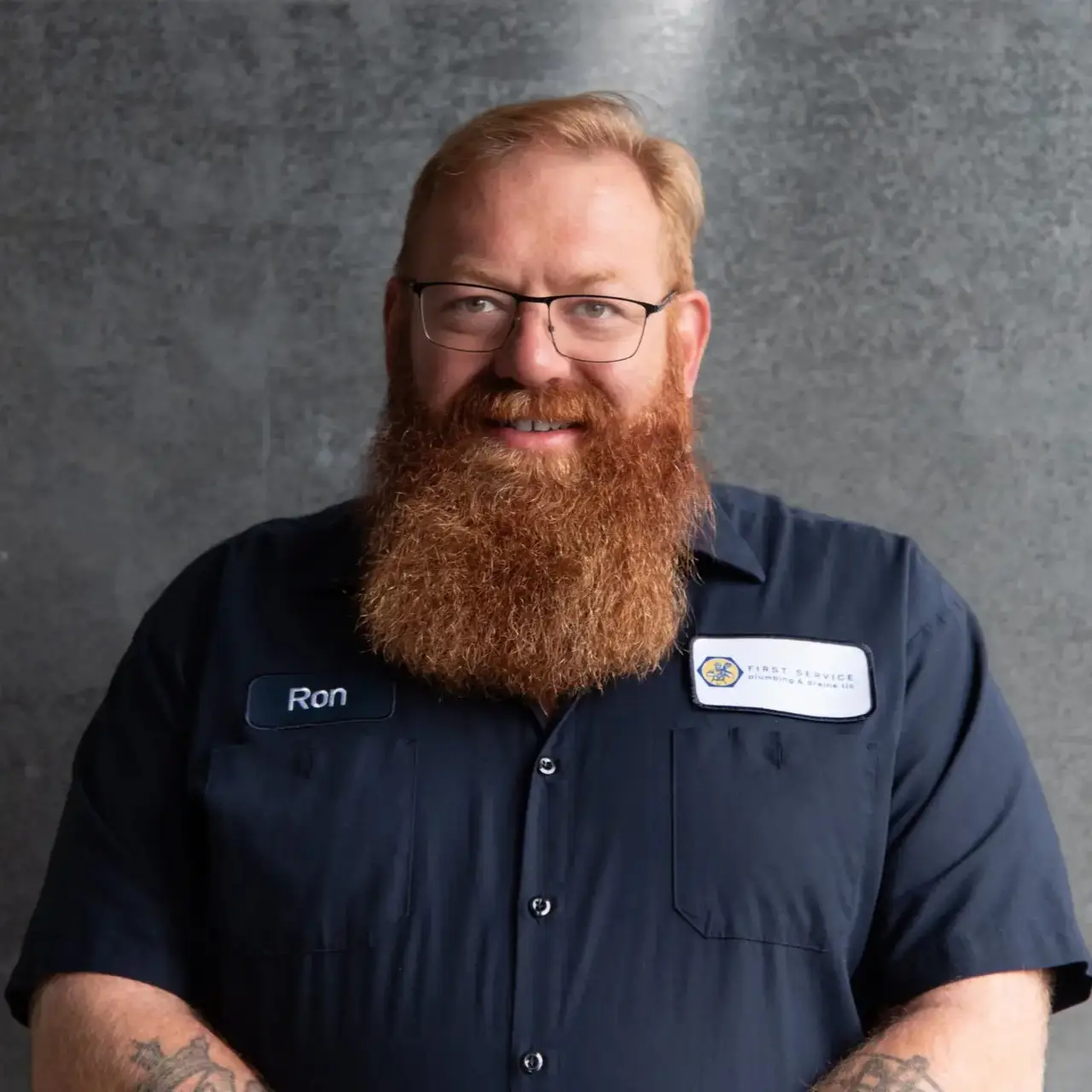
Ron Murley is the owner of First Service Plumbing & Drains, a family-owned plumbing company based in Tomball, Texas. With more than twenty years in the trade, Ron and his licensed, insured team handle the full range of residential plumbing work, including drain cleaning, sewer inspections, water heater installation for both tank and tankless systems, gas line services, pipe and water line repair, fixture installation, and water treatment. The company serves Tomball and the greater Houston area, with customers in Magnolia, Spring, The Woodlands, Cypress, and dozens of surrounding communities. Ron built the business around putting customer service first, and reviewers regularly describe his work as thorough and professional, noting that he takes time to investigate a problem properly before recommending a fix. He believes in personalized attention, clear pricing, and dependable results.